Macronutrients and micronutrients are the two primary types of nutrients your body requires in order for your body to operate and function efficiently and properly.
Macronutrients are nutrients required in large amounts because they provide energy and support growth and body functions.
The macronutrient category of nutrients include carbohydrates, proteins, fibre and fats.
Carbohydrates are the body's main source of energy, proteins help build and repair muscle tissues, fibre improves your gut health, allowing for proper abdominal function, and are beneficial for fat loss since foods that contain fibre are more satiary than others.
Fats provide long-term energy, allowing for the glycogen within your muscles to regenerate and recover after a workout.
Micronutrients, on the other hand, are needed in smaller amounts but are just as important for maintaining good health.
They include vitamins and minerals, which help maintain a proper functioning body, such as immune function, bone health, and energy production.
Both macronutrients and micronutrients are essential for maintaining a balanced and healthy lifestyle.
When you should eat depends on your daily schedule and activity level, but typically, it is recommended to eat at regular times throughout the day to maintain steady energy levels.
Most people benefit from eating three balanced meals, breakfast, lunch, and dinner, with healthy snacks in between if needed.
Breakfast should be eaten within a few hours of waking up to provide energy for the day.
Meals should not be eaten within 1-2 hours of eating a previous meal, and instead the meals you eat throughout the day should be distributed equally, with 3 to 5 hours in-between each meal.
This allows for you to control hunger and maintain stable blood sugar levels.
But primarily, the amount of time in between each meal you have throughout the day ultimately depends on how hungry you are.
It is also recommended to avoid eating large meals late at night, as this can affect digestion and sleep.
Overall, eating consistently and listening to your body's hunger and fullness signals helps support a healthy lifestyle.
Supplements can help support good health, especially when your diet does not provide all the necessary nutrients, but they should not replace a balanced diet.
Commonly recommended supplements include multivitamins to cover general nutrient needs, vitamin D for bone and immune health, calcium for strong bones, omega-3 fatty acids for heart and brain function, iron to maintain good energy levels throughout the day, and probiotics to support digestion.
It is important to use supplements carefully and contact a health practitioner before use to ensure that it's safe for use because too much of certain vitamins or minerals can negatively impact your health more than positively.
Overall, a nutritious diet should always be the main source of nutrients and you should never replace natural sources of nutrition with supplements and instead use supplements as a way for filling gaps within your diet.
To achieve a healthy lifestyle, your diet should mainly consist of the four macronutrients: protein, carbohydrates, fats, and fibre.
Protein should be prioritized because it helps build and repair muscles, especially if you work out regularly.
Good sources include chicken, fish, eggs, beans, and Greek yogurt.
Carbohydrates are your body's main source of energy, so you should eat healthy carbs like whole grains, fruits, and vegetables instead of processed sugar.
Healthy fats, such as those from avocados, nuts, seeds, and olive oil, are also important because they support brain function and hormone balance.
Although the macronutrient, fibre, may not be as essential as the previous macronutrients listed for maintaining good health, fibre is still a major macronutrient involved in maintaining good gut health and good abdominal function.
Examples of good sources of fibre you can implement into your diet include: legumes (lentils, black beans), whole grains (oats, quinoa), fruits (berries, pears, apples with skin), vegetables (broccoli, Brussels sprouts, carrots), nuts (almonds), and seeds (chia, flax) A balanced diet that features all three macronutrients helps your body perform well and stay strong.

Staying hydrated is very important because water helps regulate body temperature,distribute nutrients throughout your body, and remove waste from your body.
If you are dehydrated, you may feel tired, dizzy, and unable to perform well during workouts. Drinking enough water daily improves focus, energy, and physical performance.
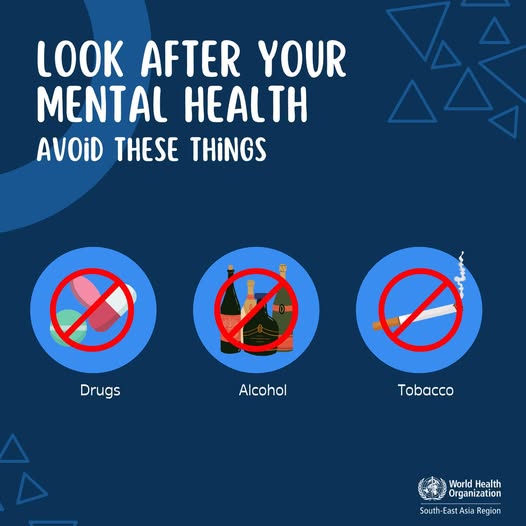
It is also important to avoid harmful substances, such as smoking, excessive alcohol, and drugs because they damage organs, negatively impacting fitness performance and increasing your chances of having diseases.
Overall, maintaining hydration and avoiding harmful substances supports long-term health and athletic performance.