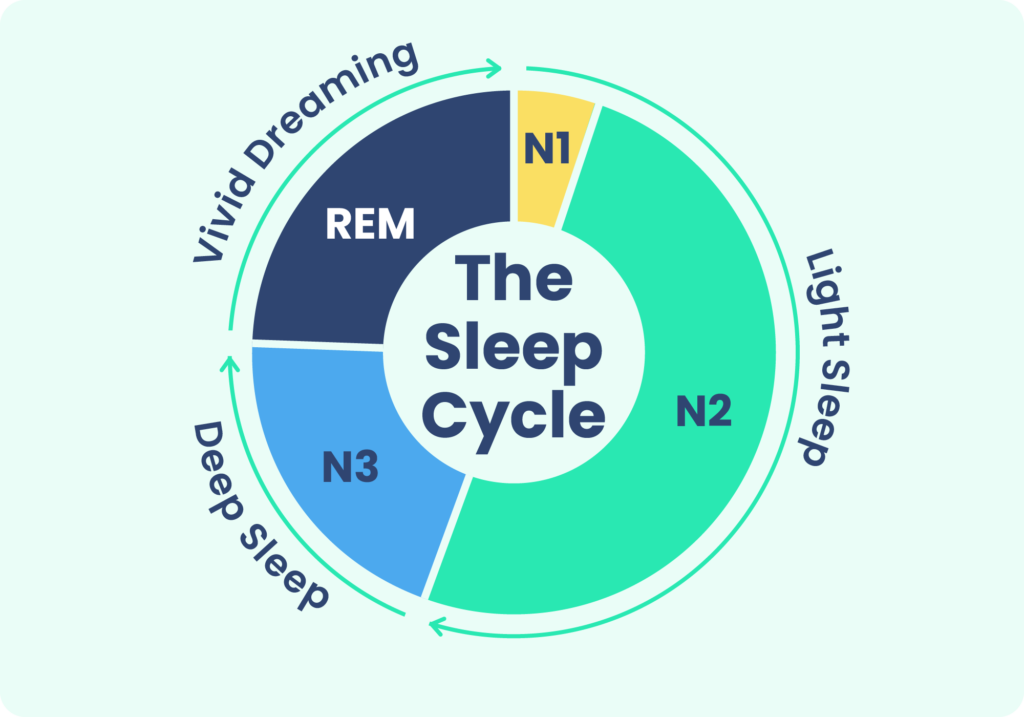
There are different stages of sleep, including light sleep, deep sleep, and REM (rapid eye movement) sleep.
Light sleep helps your body relax.
Deep sleep is when your body repairs muscles and tissues.
REM sleep is important for memory, learning, and emotional regulation.
Ensuring that you achieve that just right spot for your sleep, where the amount of time you had light sleep, deep sleep, and rem sleep is distributed perfectly between the amount of time you slept for, which is ideally 7-9 hours, is essential for achieving good quality sleep.
Sleep is essential for muscle recovery, mental focus, and hormone balance.
Without enough sleep, your body produces more stress hormones, which can make it harder to build muscle or lose fat.
Lack of sleep also reduces motivation and increases cravings for unhealthy food.
Getting enough sleep helps improve athletic performance and overall well-being.
Blue light from phones, computers, and TVs can reduce the production of melatonin, which is the hormone that helps you fall asleep.
Avoiding screens 1-2 hours before bed can improve sleep quality.
If you must use screens, using blue light filters or night mode can help reduce the negative effects.
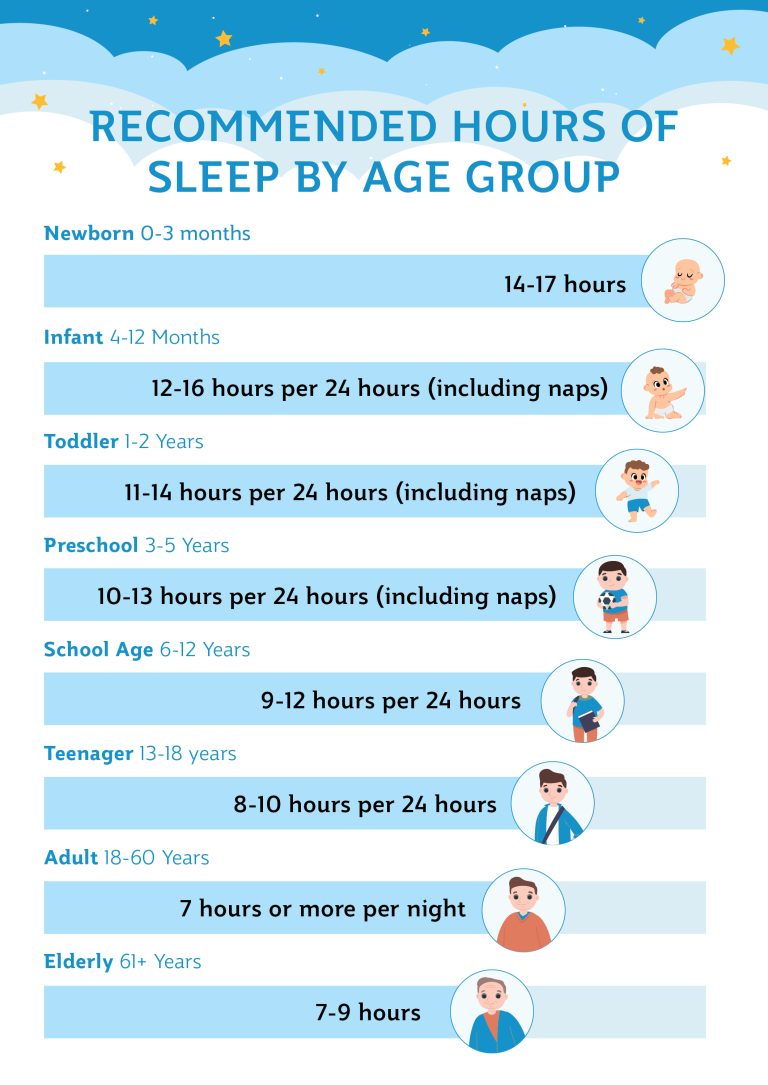
Sleep needs vary depending on age and activity level.
Typically, teenagers usually need about 8-10 hours of sleep per night, while adults need around 7-9 hours.
Athletes or people who exercise intensely may require more sleep to obtain proper recovery, which is mandatory for the utmost athletic performance.
Also, the amount of sleep someone requires varies depending on stress levels, health conditions, and daily activity.
Other ways to improve sleep include keeping your bedroom dark and cool, avoiding caffeine in the evening,and blue light exposure, which is commonly produced by the display screen of devices, such as your phone.
Also, creating a specific sleep routine to do before you sleep, which is designed to be beneficial for achieving as good sleep quality as possible, that you follow accordingly every night is supportive of good sleep quality.
The sleep routine can involve relaxing activities like reading or stretching before bed as they can help your body prepare for sleep.
Creating a healthy sleep environment improves both physical recovery and mental performance, helping you achieve your health goals.