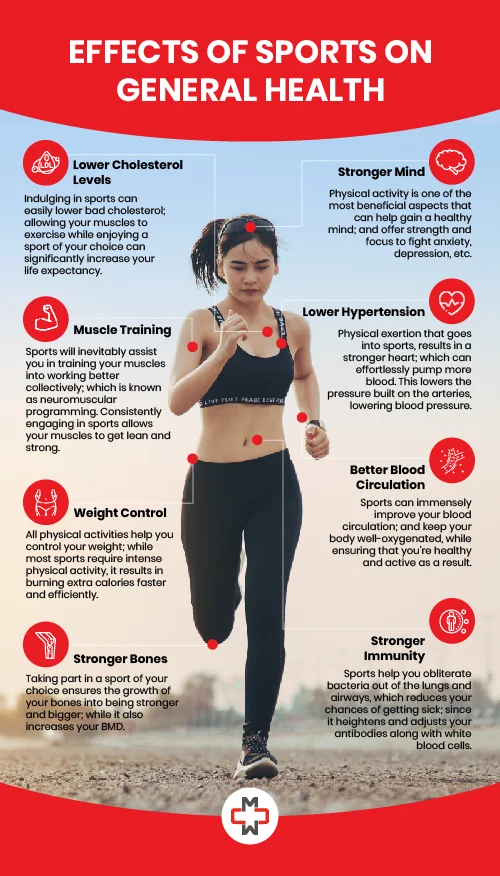
There are a variety of different types of workout programs, ranging from strength training to cardio training to functional training.
Strength training helps build muscle and increase overall strength.
Cardio training improves heart health and endurance.
Functional training focuses on movements that help you perform daily activities more easily.
Combining these workout programs creates a balanced fitness routine that improves strength, stamina, flexibility, and overall health.
Strength training involves exercises that make your muscles work against resistance, such as lifting weights, using resistance bands, or doing bodyweight exercises like push-ups and squats.
This type of training is beneficial for increasing muscle mass, improving bone density, and for increasing metabolism.
When you build muscle, your body burns more calories even while resting, which is why the majority of the fitness community recommends strength training for those who are occupied with work throughout the week.
Strength training also helps prevent injuries because stronger muscles support your joints.
It is important to gradually increase the weight or resistance over time, known as progressive overload, to continue experiencing muscle growth and improvements.
Cardio training includes activities like running, cycling, swimming, or brisk walking that raise your heart rate for a sustained period of time.
This type of exercise strengthens your heart and lungs, improves endurance, and helps burn calories.
Cardio is important for reducing the risk of heart disease, improving circulation, and managing body weight.
It can also improve mental health because it releases endorphins, which are chemicals in the brain that make you feel happier.
Doing cardio at least 3-5 times per week can greatly improve overall fitness.
Functional training focuses on exercises that mimic everyday movements, such as bending, lifting, twisting, and reaching.
Examples include lunges, kettlebell swings, planks, and medicine ball throws.
This type of training improves balance, coordination, flexibility, and core strength.
Functional training helps you move more efficiently in daily life and reduces the risk of injuries by strengthening stabilizing muscles.
It is especially useful for athletes and people who want to improve overall flexibility as it will allow for you to move more freely, improving your performance in your sport.

Recovery after workouts is just as important as the workout itself.
When you exercise, your muscles experience small tears, and recovery allows them to repair and grow stronger.
Proper recovery includes stretching, getting enough sleep, staying hydrated, and eating enough protein.
Rest days are important because they prevent overtraining and reduce the risk of injuries.
Without recovery, your performance can decrease and your body may feel constantly tired.